
Optimal: Resilient Leadership
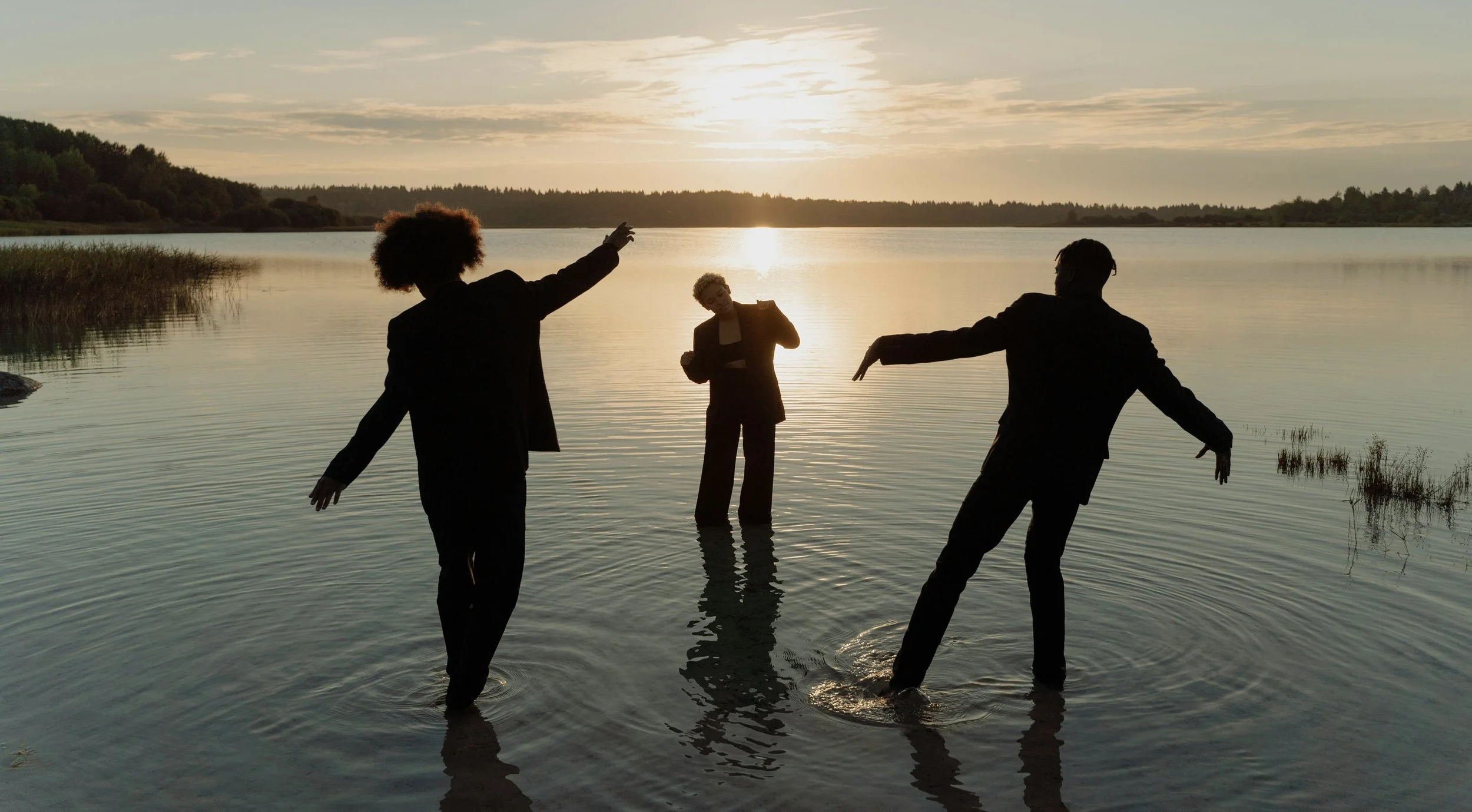
Leadership is not just about what you think. It is also about what you feel, and how you allow those emotions to affect your thinking.
When change speeds up, leaders are required to make good decisions quickly, hold difficult conversations and support others, often while managing their own uncertainty. Overwhelming emotions can compromise our capacity for complex thinking, just when we need it most. When the world lurches forward, how do we stay present to our challenges and each other without losing our composure?
Optimal: Resilient Leadership is a two-day, experiential programme exploring how emotions shape our leadership experience and how leaders can work with their feelings more intentionally. We will look at ways to widen our window of tolerance: the range in which we can remain present, think clearly and respond with choice, even when things are difficult.
We believe 2027 will bring another leap in human experience. Organisations will need leaders who can feel as well as think their way through it: grounded people who can guide others without losing themselves in the process.
What we will explore:
1. Staying in your optimal range
Recognising your own responses to pressure, noticing when you are moving out of your window of tolerance, and finding ways back to a state where you can think and act effectively.
2. Making sense of emotions
Developing more precise distinctions for feelings and exploring what emotions may be telling us, including how they are anticipating events.
3. Leading through strong emotions
Understanding what happens to our thinking ability when emotions run high, and practising how to stay engaged with the job without being swept up in their experience.
4. Beyond empathy
Exploring the lure and cost of empathy for leaders, and how to remain caring and connected while keeping the perspective needed to lead.
5. Coaching people through change
Practising ways to help team members make sense of uncertainty, work with their own feelings and find a way a rational way forward.
An Experiential Programme
Over two days, we will combine teaching, reflection, conversation and practice. Participants will have space to examine their own emotional reactions, try out different responses and plan how to apply what they learn with their teams.
Learning Objectives: By the end of this programme, participants will be able to:
Recognise early signs of overwhelm (or detachment) and respond before it takes over.
Use a wider vocabulary for emotions to understand what is being felt and what it means.
Notice how emotional flooding affects their capacity for complex thinking, and discharge it.
Choose to be present and effective with someone rather than being absorbed in their sub-optimal experience.
Coach team members through the emotional experience of change.
Take greater account of cultural differences in how emotions are understood and expressed.
Identify practical ways to widen their own emotional window of tolerance and support others to do the same.
Cost: £795 (+VAT) per person. Groups of 5 cost £3250 (+VAT).
Refreshments and lunch included.
Contact: Email Peter or Jim at office@neish.co to book on or find out more.
This is the first time we have run Optimal as an open programme at Neish. The last open programme we ran was Logos in October 2026. This was some of the feedback:
“…I would strongly encourage organisations to invest in this programme and their people. I believe that this will drive collaboration, culture, respect, and ethics most of all impact positive outputs and performance as one collaborative team.”
Natasha Kanamal, Marketing Operations Manager, BP.
“I have been involved in several leadership development programmes over the years. While you can find some value in all of them, no search is required from Logos. There is a satisfying amount of value from the first morning, which grows exponentially over the remainder of the two days…”
Michael Ross, Head of Risk and Compliance, Anderson Strathern.
“I really enjoyed Logos. As a leader you get to see (or get fed) a lot of leadership training. It was refreshing to see the higher level of intellectual depth and emotional commitment from the facilitators.”
Seth Kybird, CEO, Nuclear Waste Services.